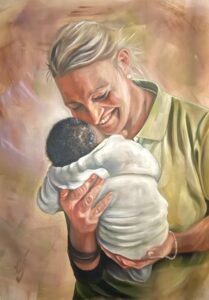
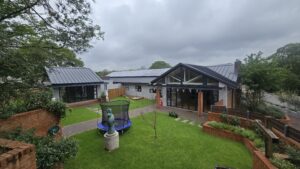
When Daybreak House opened its doors, we had a clear picture in our minds of what this place would be.
A baby house. Newborns and infants, aged zero to two. Tiny bodies, tiny needs, tiny socks. Our babies would come to us in crisis and leave us placed in safe, loving families within three to six months. Eight months in truly extreme cases. We would be a place of transition, a soft landing between crisis and home.
That was the plan.
Nearly three years later, our very first baby is still with us.
When Reality Rewrites the Plan
We do not say this with bitterness. We say it with the particular kind of honesty that only comes from living something long enough to see the gap between expectation and reality clearly.
The child welfare system in South Africa moves at its own pace. Placements are delayed. Cases are complicated. Court processes are slow. Families are not always found quickly, and sometimes they are not found at all. Of all the babies we have welcomed through our doors, only four have left us in under six months.
The rest stayed. They grew. They changed.
And so did we.
A House That Had to Grow Up With Them
A home set up for newborns is not, it turns out, toddler-proof. Not even close.
Our garden has several staircases. We know this now in a way we did not know it before, not as an aesthetic feature, but as a series of urgent problems requiring gates. Low garden walls that once seemed perfectly charming became launching pads for small people learning to climb. We installed fencing on top of them. We added gates to keep determined little legs out of the driveway.
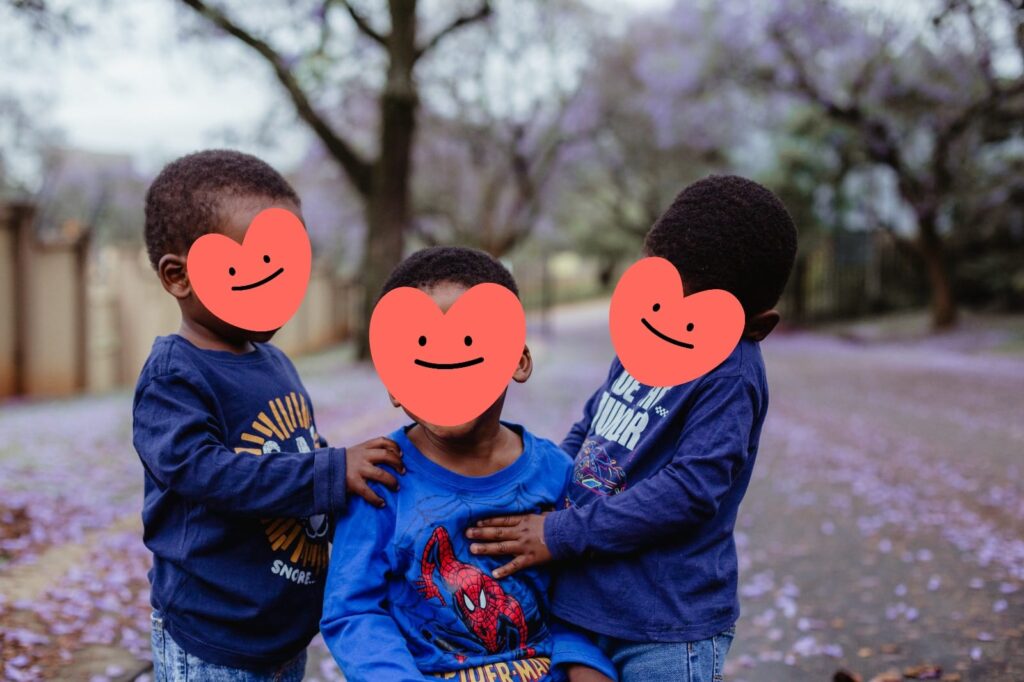
We had to get swings. A jungle gym. A sandpit. We moved furniture. We locked cupboards. We added extra locks to doors at heights specifically calculated to be out of reach of a child standing at full toddler height, and then recalculated when they learned to drag chairs.
We installed toddler gates inside the house. Then reinstalled them. Then changed the locking mechanisms, because small brains are relentless engineers and they figured out every single one.

We found sponsors for school. Because toddlers need stimulation and socialisation and structured learning that a care home, however loving, cannot fully provide on its own. We started thinking about speech development. We enrolled children in Playball. We looked into swimming lessons. We navigated the specific and surprisingly complex world of three-year-old personality clashes.
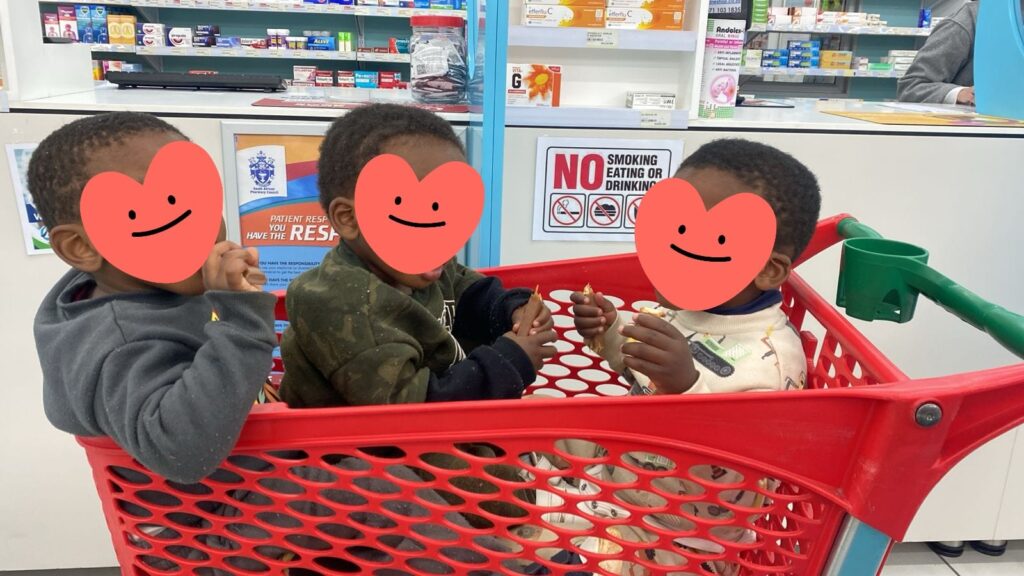
And then there were the boys. Three of them, at various stages of readiness, requiring what can only be described as a structured programme. Sandra set an alarm on the house phone to go off every thirty minutes from the moment they arrived home from school. It did not take long before the boys knew exactly what it meant. The alarm would sound, and from somewhere in the house would rise a chorus of small, enthusiastic voices chanting “piepie-tyd.” With feeling. Together. As though this were the best news they had heard all day. We had not planned on potty training. We had certainly not planned on it becoming a group sport.
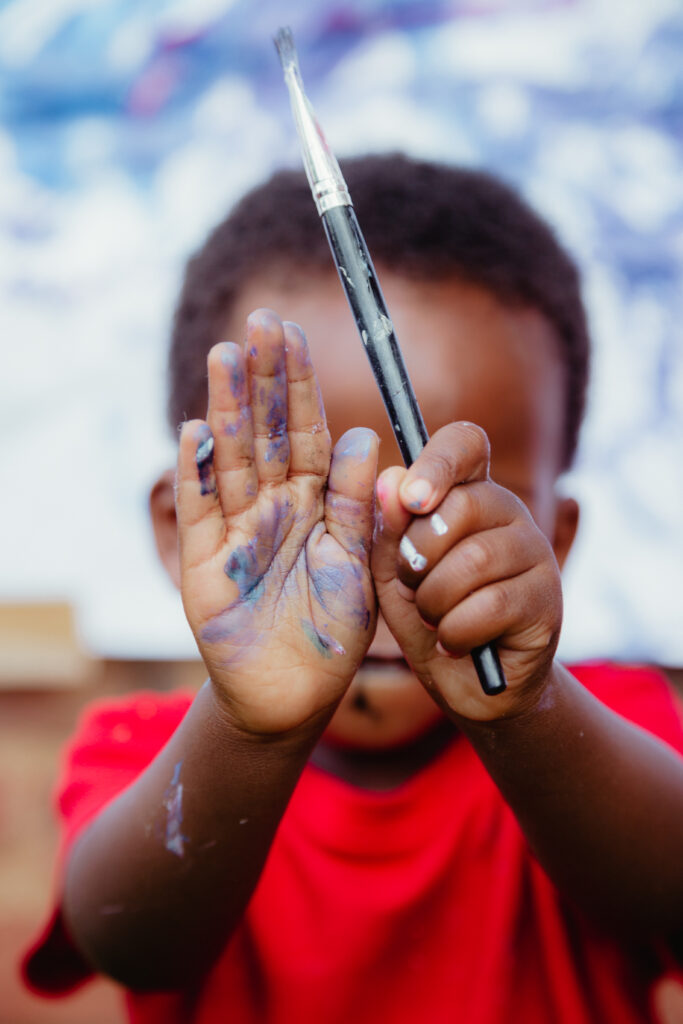
Then, a full year after school had begun and small people were coming home with paint on their hands, came what perhaps surprised us most of all. We moved our office to make room for toddler beds, because cots are not forever and children who go to school need to sleep in a space that matches who they are becoming.

The Weight Beneath the Joy
We will not pretend this has all been simple.
There is a grief that sits underneath this work that is hard to speak about without sounding despairing, and we are not despairing. But it is real, and it would be dishonest not to name it.
Older children are harder to place. The older a child gets in the system, the narrower the road to adoption becomes. The children we have loved and bathed and rocked and taught to walk, children who have known no other home than this one, no other arms than ours, may very well spend their childhoods in the system. They will have to leave us eventually. Not for a family of their own, but for a children’s home. That is a hard sentence to write.
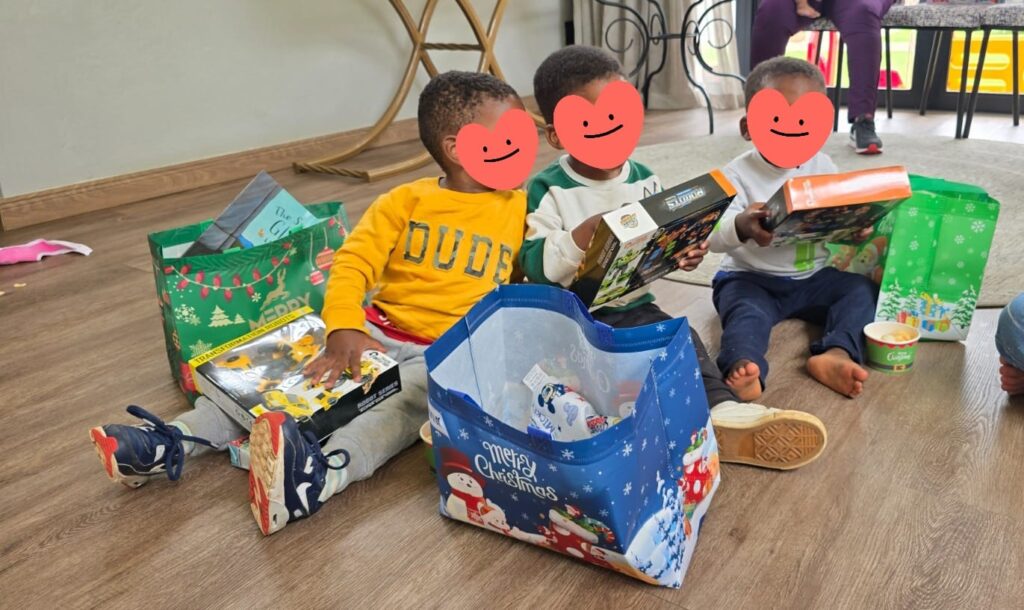
And then there is this: they have grown up together. They are, in every meaningful sense of the word, siblings. They fight like siblings. They protect each other like siblings. They call for each other when one is upset. They have built something real and true and irreplaceable between them.
And one day, they will lose each other too.
But Then One of Them Says Something
We do not end here. Because life at Daybreak does not end here either.
These children bring us joy that is difficult to quantify and impossible to fully explain to someone who has not sat on this floor with them. They have distinct personalities, stubborn and tender and hilarious and fierce. They say things that stop us mid-task and make the whole room laugh. They have opinions about their shoes. They have favourite songs. They ask questions that have no easy answers and then immediately move on to asking for a biscuit.
They are learning to speak, and every new word feels like a small miracle. They are learning to climb and run and jump, and yes, to escape through gates we thought were secure, and every scraped knee healed and every morning they come running is evidence that they are, against everything that tried to happen to them, thriving.
This work is hard. It is sad. It is sometimes heartbreaking in ways that stay with you through the night.
It is also full of hope. Full of trust. Full of awe at what love, consistently given, can do in a small person who needed someone to show up for them.
We thought we were a baby house.
We became something more.